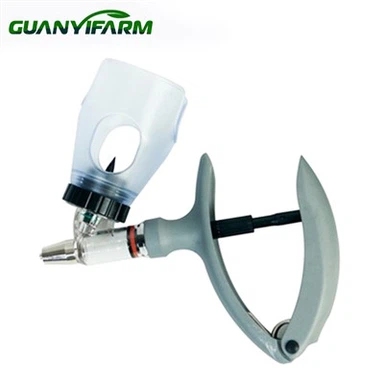
Intracervical Insemination For Sow
Nov 27, 2023
Intracervical insemination for sow is a commonly used method of artificial insemination in the pig industry. This technique involves depositing semen directly into the cervix of the female pig, ensuring that the sperm have the best chance of reaching and fertilizing the eggs.
One of the key benefits of intracervical insemination is that it can be performed on sows that are not able to be bred naturally. This helps to increase the productivity of the herd, as more sows are able to successfully conceive and produce healthy litters.
In addition, this method of insemination also helps to reduce the risk of disease transmission between animals. By using a sterile technique and individualized insemination equipment, farmers can reduce the risk of spreading infections between sows and prevent the spread of disease throughout the herd.
Furthermore, intracervical insemination allows farmers to carefully control the timing of breeding, maximizing the chances of success and increasing the predictability of the breeding process. By carefully monitoring the sow's reproductive cycle and using advanced technology, farmers can accurately predict the optimal time for insemination and increase the chances of producing healthy, viable piglets.
Overall, intracervical insemination is a valuable tool for pig farmers looking to improve the productivity and health of their herds. By using this technique, farmers can ensure that their sows are breeding effectively and efficiently, reducing the risk of disease transmission and increasing the quality of their pork products.